
What are your biggest fears when it comes to getting older?
Does the thought of getting old cross your mind? Perhaps you find yourself thinking about it when you stand up quickly and you experience a weird twinge or an electrical shock shooting down the lower part of your back. Maybe it crosses your mind as you try to play dodge ball with a younger group of kids. You’re saying to yourself, “Let me put these guys in their place!” And so…you pick up that ball, do the wind-up, and whip that ball across the room. And then, “Hmmm. What was that weird pain?” After a few iterations of throwing the ball, the intensity of that throw decreases because you realize something is not right. I call these thoughts “situational”. You do something that you have done in the past. And up until this point, had no problem executing it. And then…it happens! You throw your back out. You experience a shooting pain. You wake up the next morning sore. THAT is your body telling you, “You’re not as young as you used to be!” And so, you adjust accordingly. When picking up heavy things, you bend at the knees and not at the waist. You refrain from doing cartwheels with your niece. You implement a stretching routine to stay flexible. And so on and so forth.

But what about those thoughts that cross your mind as you see an elderly person slowly crossing the street. Or maybe the thoughts that cross your mind as you listen to a friend talk about his experience when he visited a nursing home. He recalled the feelings that overcame him as he noticed a resident off in the corner, all by herself - just staring out the window. I call these thoughts “fears”.
Fear of:
Being alone
Ending up in a nursing home
Being a burden to my family
Dementia or Alzheimer’s
Not having money to retire
Falling and sustaining a life-altering injury
Being invisible
No doubt these thoughts, these fears can be crippling. And they are REAL. But there are things you can do to address some of these fears. For instance, to minimize being a victim of a life-altering injury, it’s important to implement some type of workout AND stretching routine. And it’s just as important to do them on a regular basis. As we get older, our bodies are not as flexible as when we were younger. Muscles and joints weaken and range of movement deteriorates as we age. Compare your thirty-something self to that of a toddler. Can you easily touch your toes or do a back bend? As you observe them at play, are you able to do half the thing that they do? If you answered “no”, then it’s time to get moving. To paraphrase Sir Isaac Newton’s First Law of Motion, “a body at motion stays in motion; a body at rest stays at rest unless an outside force acts on it”. If you’re inflexible at thirty-something, what are you going to be like at fifty-something? Sixty-something? If you have some doubt about the value of stretching, check out some of the benefits below.
Some Benefits Of Flexibility While Aging
Development and maintenance of strength
Increases circulation and blood flow
Improves your ability to perform daily physical activities
Decreases the risk of injuries such as fractures and muscle strains
Improves balance which also decreases the risk of falling and injury
Decreases chronic pain
Improves your workouts due to better overall muscular performance
Improves your posture which reduces hunching over.
Helps you keep a more youthful appearance
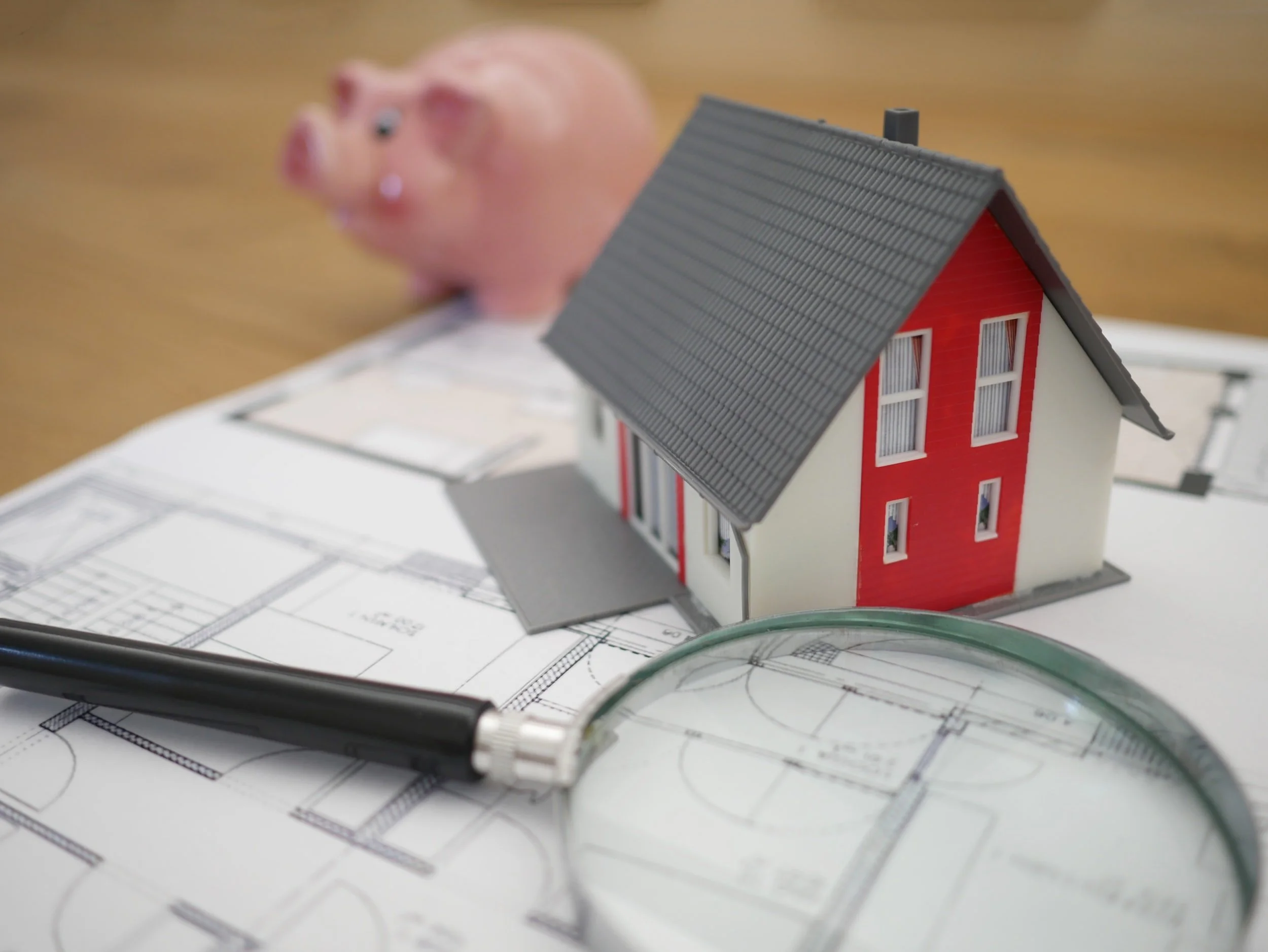
You are now armed with the knowledge of what you can do to minimize the effects of sustaining an injury as you age. But what about the other fears I mentioned? A challenge some us face is saving money and being disciplined to not spend over our means. I know when I was younger, I had some grand ideas of what retirement would be like. But the thing I failed to acknowledge is -there is work that needs to be done to ensure I can live / afford that cushy life, or a fraction of it!
Realize that the benefits you receive through social security is not going to sustain that cushy life. You need to plan. If you have a 401k through your job, add to it! Take a percentage of your pay and allocate it to your 401k. You can elect what that percentage is AND the best thing is that this is pre-taxed money. Invest in real estate or use your 401k to do real estate transactions as a hard-money lender. No doubt, this is a conversation for another time. Google it if it piques your curiosity. Just know that the interest you make from these transactions compared to your money sitting in your 401k is significantly higher!
Stay Sharp!
Regardless of your age, your brain continuously forms new connections throughout your lifespans. Studies show that you can bolster your brain’s reserves and reduce your risk of losing your mind by adopting some basic health habits. Here are some ideas to help keep your mind sharp:
Learn a foreign language.
Try a new activity that is mentally challenging.
Eat a mixture of brain-boosting foods - fruits, vegetables, nuts, fatty fish, and yes, even a daily glass of wine!
Exercise (another source indicating the importance of this!)
Get sufficient sleep.
Stay on top of your health conditions.
Your brain needs time to restore itself and reflect - so take time to meditate.
Stay connected and maintain close relationships. Believe it or not this requires a certain level of brainpower. Not only do you have to think fast to engage in conversation, but resolving conflicts and debating current affairs flexes mental muscles as well.

Age really is just a number. Oh sure with age comes the wrinkles, the gray hair, and maybe the comparison of what you look like now compared to your eighteen year old self. But there are things within your power that you can do to address those fears you might associate with getting old.
While knowledge is power, the real power comes in the application of that knowledge.
What will you do with this knowledge?